Product Direction · Operations · AI-Assisted Building
Freshfields Branch Schedule
A branch scheduling application that brings staff hours, location, time away, and daily assignments into one shared weekly view.
Hours · Placement · Coverage
Manager edits · Team views
Prepared for review
Build around the working week.
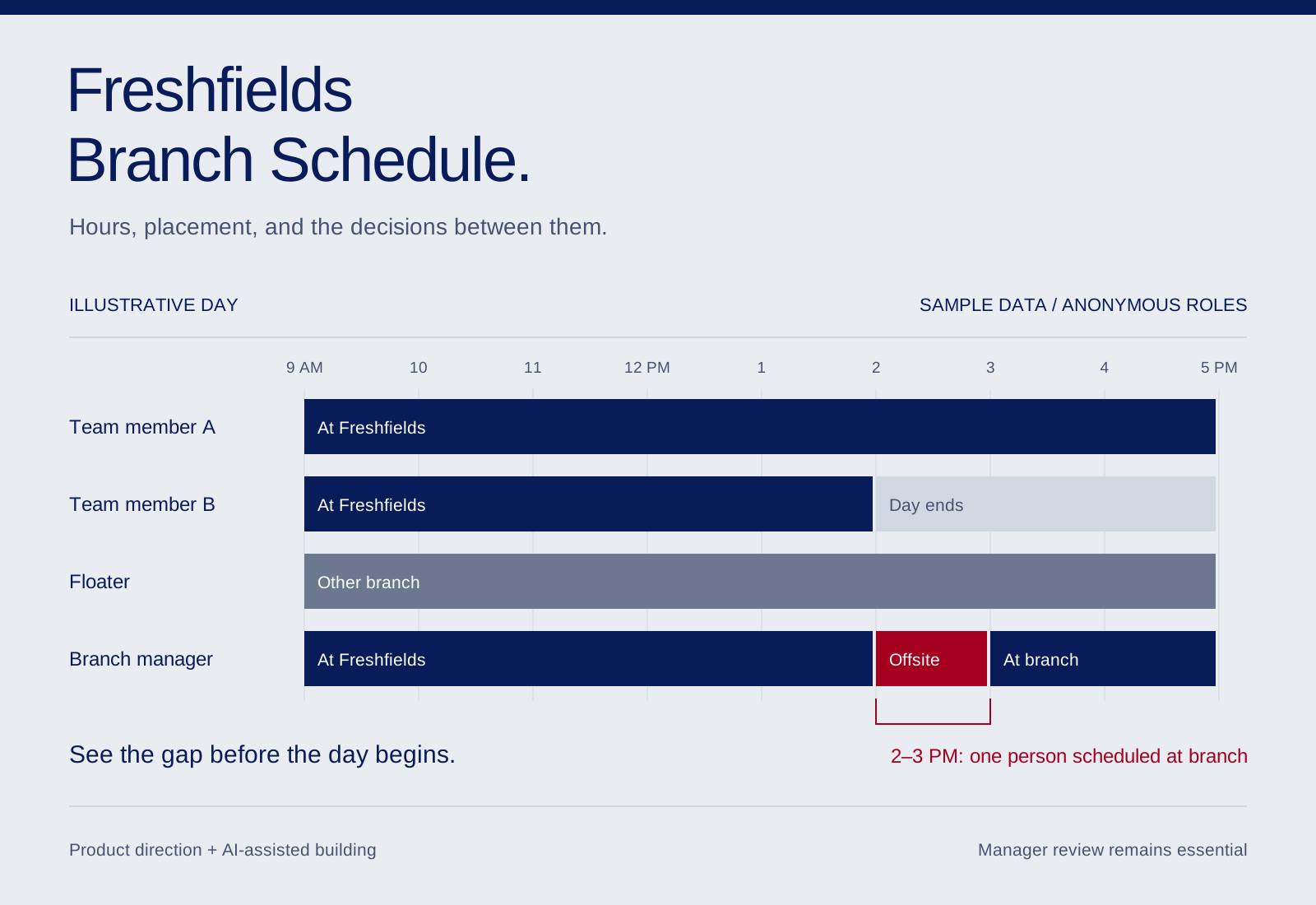
I defined Freshfields Branch Schedule around a practical branch-management problem: seeing who is working, where they will be, and whether the branch has enough people throughout the day. The brief combines three hourly roles, including a floater, with a branch manager whose offsite appointments also affect availability.
Turn operating rules into useful behavior.
Through product direction and AI-assisted building, I translated weekly hour targets, different Friday hours, work at other branches, PTO, unpaid days off, and timed tasks into a shared calendar. Weekly totals account for paid time and the defined lunch deduction, while coverage warnings flag intervals with fewer than two scheduled people at Freshfields. Coverage reflects scheduled presence; it does not model untimed lunch breaks or guarantee actual staffing.
Separate planning from viewing.
The application separates a view-only team calendar from the manager’s editing workflow, with server-side authorization for changes. Shared storage and revision checks support coordinated updates without silently replacing another saved edit. A standard-week starting plan reduces repetitive entry, while incomplete coverage can remain visible as a draft for the manager to resolve.
Make the exceptions explicit.
Iteration focused on the cases that make a schedule useful: a partial day of PTO, an appointment within a shift, a floater working elsewhere, or an unpaid day off. The implemented rules distinguish paid hours from physical branch coverage and keep tasks within available work time. The lesson is that a readable calendar depends on clear operating definitions as much as visual layout.
A working tool, prepared for review.
The result is a working scheduling application prepared for review. This case study demonstrates product judgment and AI-assisted implementation, not an AI system making staffing decisions. It does not claim bank-wide approval, employee adoption, or measured time savings. The public visual uses anonymous roles and sample data; the portfolio does not expose the staff calendar or connect to bank accounts, customer records, payroll, or time clocks.